

Everything You Need to Know About Gut Health in Ayurveda
In recent years, gut health has become one of the most discussed topics in modern medicine and wellness. We hear about the microbiome, probiotics, inflammation, and the connection between the gut and nearly every system in the body. While this research is relatively new in Western science, Ayurveda has emphasized the importance of digestion for thousands of years.

Why Spring Is the Best Season to Lose Weight
Many people begin thinking about weight loss in the new year. January often brings a surge of motivation to change habits, eat differently, and adopt new routines. Yet from an Ayurvedic perspective, the early months of the year are not always the most physiologically supportive time for weight loss.

Finding Grounding in Motion; Notes from India
Travel has a way of shifting perspective. The environment is different, the rhythms of the day change, and the body is asked to adapt quickly to new conditions. While these experiences can be inspiring and deeply enriching, they can also be physiologically demanding.

The Art of Rebuilding: Understanding Rasayana After a Cleanse
Many people view detoxification as the primary event. They complete a cleanse, feel lighter, and then return immediately to their usual routines and diet. Heavy meals return. Coffee, sugar, and processed foods reappear overnight. Within a short time, the clarity and lightness they experienced during the cleanse begin to fade.
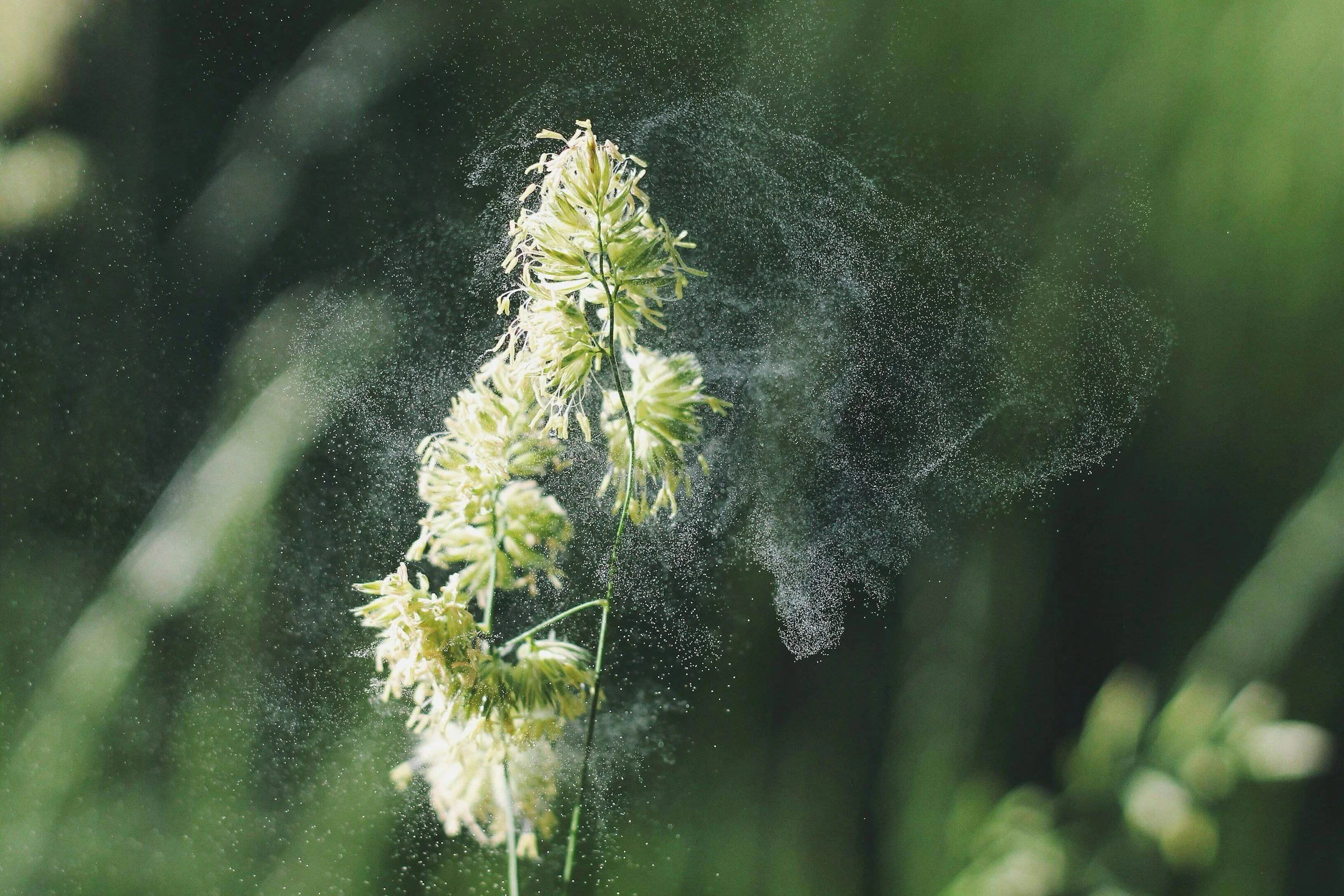
Why Allergies and Colds Are So Common in Spring
During winter, the digestive fire, known in Ayurveda as agni, tends to be stronger. The cold external environment encourages the body to conserve heat and metabolic energy internally. As a result, many people develop stronger appetites and are able to digest heavier foods more easily.

Nature’s Spring Medicine: The Bitter & Astringent Tastes
In Ayurveda, taste is not merely about flavor. Taste reflects the underlying energetic qualities of food and how those qualities influence the body. Each taste carries specific actions.

Spring Cleansing in Ayurveda; Why This is the Season of Resetting
Spring is the season of kapha, the dosha associated with heaviness, moisture, stability, and accumulation. During the winter months, the body naturally builds and stores nourishment.

The Wisdom of Removal
Modern life has created an unusual problem. For the first time in history, information is available almost instantly and in overwhelming quantities. Advice about health, productivity, spirituality, relationships, and personal development appears everywhere.

Ayurveda’s Approach to Mental Health; A Holistic and Timeless Framework
Anxiety, depression, mood instability, burnout, and emotional dysregulation are increasingly common concerns. Epidemiological data continues to show rising rates of mental health disorders across age groups.

An Ayurvedic Guide to Home Care for Colds & Sinus Congestion
Colds and sinus congestion are common, but that doesn’t mean they’re insignificant. The heaviness in the head, facial pressure, post-nasal drip, fatigue, and fogginess can disrupt sleep, concentration, and daily rhythm. Most uncomplicated colds and mild sinus congestion are self-limiting, meaning the body will resolve them on its own. But how we support that process matters.

Why You Can’t Lose Weight Postpartum and How to ‘Bounce Back’ the Ayurvedic Way
Pregnancy and birth are profound physiological events. They reshape the body, alter digestion, shift hormones, and significantly deplete energy reserves. The postpartum period is not a time when the body is meant to contract quickly. It is a time when the body is recalibrating.

Do Improper Food Combinations Contribute to Chronic Inflammation?
Autoimmune disease does not begins overnight. It is either congenital (from birth), genetic, or developed over the course of many years. It develops quietly, over years, through repeated physiological confusion. These are signals that the body cannot properly interpret, digest, or resolve.

What to Do If You’re Consistently Having Poor Sleep
In Ayurveda, sleep is one of the three pillars of health and is required in order to maintain any functional or structural integrity of the body or mind. Ayurveda has approached sleep in a holistic way for thousands of years.

Redefining Self-Care: The Ancient Science of Snehana
Snehana refers to the application of oil, both internally and externally, as a therapeutic intervention. Most commonly, it is discussed in relation to abhyanga, the practice of applying warm oil to the body through self-massage or clinician-administered bodywork.

Why High-Fat, Low-Carb Diets Disrupt Women’s Metabolism
In today’s wellness landscape, nutrition advice often swings between extremes. High-fat, low-carbohydrate diets are promoted as metabolic solutions. There are endless tools to balance hormones, regulate blood sugar, and finally feel “in control” of the body.

The 12-Hour Rule: Why You Don't Need to Starve to Heal
Intermittent fasting has become one of the most widely promoted health practices of the last decade. It is often framed as a “metabolic reset” or a way to improve insulin sensitivity, support weight regulation, reduce inflammation, and even enhance longevity.

Why Green Juice Causes Bloating; The Science of Vata and Cold Foods
Green juice is widely promoted for “detox,” digestion, and energy. Yet many women report the opposite outcome: bloating, gas, burping, constipation, and a sense of digestive slowdown

Hair Thinning and Skin Changes in Perimenopause and Menopause
Hair thinning, increased shedding, dry skin, and new skin sensitivity are among the most common concerns women experience during perimenopause and menopause.

Why Daily Routine Is Often the Missing Piece in Healing
Many people enter Ayurvedic care expecting their healing protocol to revolve around diet, supplements, or herbal formulations. While these tools are important, one of the most transformative and often unexpected elements of treatment is dinacharya.

The Ayurvedic Definition of Stress
In most modern definitions, stress is an emotional experience described as tension, overwhelm, or irritability. But Ayurveda describes stress in a way that is far more physiologic: any action (physical, mental or verbal) that is performed beyond the individuals natural threshold.