Leilani Jeraffi 8/27/26 Leilani Jeraffi 8/27/26 Are Seed Oils Actually the Big Enemy? Read More Leilani Jeraffi 7/30/26 Leilani Jeraffi 7/30/26 The Ayurvedic Management of Asthma Read More Ayurvedic Nutrition and Lifestyle Leilani Jeraffi 7/27/26 Ayurvedic Nutrition and Lifestyle Leilani Jeraffi 7/27/26 IBS Isn't One Diagnosis: The Ayurvedic Patterns Hiding Behind One Label Read More Foundations Leilani Jeraffi 6/19/26 Foundations Leilani Jeraffi 6/19/26 What Is a Dosha, Really? Read More Hormonal and Menstrual Health, Ayurvedic Nutrition and Lifestyle Leilani Jeraffi 6/11/26 Hormonal and Menstrual Health, Ayurvedic Nutrition and Lifestyle Leilani Jeraffi 6/11/26 What Ayurveda Says About Premature Greying Read More Perimenopause and Menopause, Ayurvedic Nutrition and Lifestyle Leilani Jeraffi 6/3/26 Perimenopause and Menopause, Ayurvedic Nutrition and Lifestyle Leilani Jeraffi 6/3/26 Ayurveda for Hair Loss Read More Ayurvedic Nutrition and Lifestyle, Wellness Leilani Jeraffi 5/28/26 Ayurvedic Nutrition and Lifestyle, Wellness Leilani Jeraffi 5/28/26 Ketosis is a survival mechanism, not a diet. Read More Wellness Leilani Jeraffi 5/22/26 Wellness Leilani Jeraffi 5/22/26 Cold Plunges, Contrast Therapy, and Varicose Veins Read More Ayurvedic Nutrition and Lifestyle Leilani Jeraffi 5/14/26 Ayurvedic Nutrition and Lifestyle Leilani Jeraffi 5/14/26 The Natural Urges Ayurveda Says You Should Not Suppress Read More Foundations Leilani Jeraffi 5/7/26 Foundations Leilani Jeraffi 5/7/26 Where Does Ayurveda Come From? Read More Mental health Leilani Jeraffi 5/1/26 Mental health Leilani Jeraffi 5/1/26 Prajñāparādha: The Bridge Between Yoga and Ayurveda Read More Ayurvedic Nutrition and Lifestyle Leilani Jeraffi 4/24/26 Ayurvedic Nutrition and Lifestyle Leilani Jeraffi 4/24/26 Everything You Need to Know About Gut Health in Ayurveda Read More Ayurvedic Nutrition and Lifestyle Leilani Jeraffi 4/18/26 Ayurvedic Nutrition and Lifestyle Leilani Jeraffi 4/18/26 Why Spring Is the Best Season to Lose Weight Read More Mental health Leilani Jeraffi 4/10/26 Mental health Leilani Jeraffi 4/10/26 Finding Grounding in Motion; Notes from India Read More Ayurvedic Nutrition and Lifestyle Leilani Jeraffi 3/31/26 Ayurvedic Nutrition and Lifestyle Leilani Jeraffi 3/31/26 The Art of Rebuilding: Understanding Rasayana After a Cleanse Read More Ayurvedic Nutrition and Lifestyle Leilani Jeraffi 3/21/26 Ayurvedic Nutrition and Lifestyle Leilani Jeraffi 3/21/26 Why Allergies and Colds Are So Common in Spring Read More Ayurvedic Nutrition and Lifestyle Leilani Jeraffi 3/15/26 Ayurvedic Nutrition and Lifestyle Leilani Jeraffi 3/15/26 Nature’s Spring Medicine: The Bitter & Astringent Tastes Read More Ayurvedic Nutrition and Lifestyle Leilani Jeraffi 3/12/26 Ayurvedic Nutrition and Lifestyle Leilani Jeraffi 3/12/26 Spring Cleansing in Ayurveda; Why This is the Season of Resetting Read More Mental health Leilani Jeraffi 3/5/26 Mental health Leilani Jeraffi 3/5/26 The Wisdom of Removal Read More Leilani Jeraffi 2/27/26 Leilani Jeraffi 2/27/26 Ayurveda’s Approach to Mental Health; A Holistic and Timeless Framework Read More Older Posts
Ayurvedic Nutrition and Lifestyle Leilani Jeraffi 7/27/26 Ayurvedic Nutrition and Lifestyle Leilani Jeraffi 7/27/26 IBS Isn't One Diagnosis: The Ayurvedic Patterns Hiding Behind One Label Read More
Foundations Leilani Jeraffi 6/19/26 Foundations Leilani Jeraffi 6/19/26 What Is a Dosha, Really? Read More
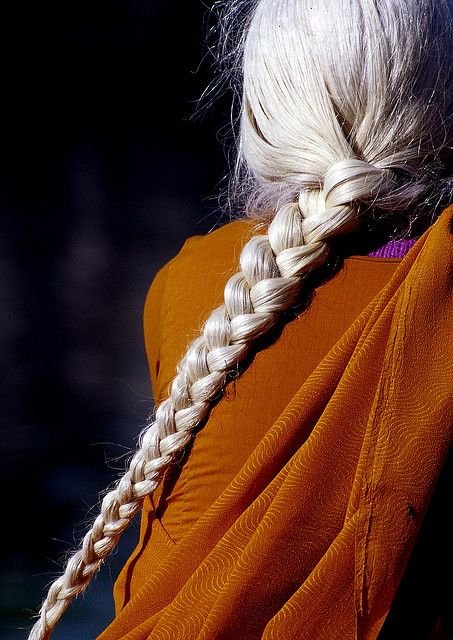
Hormonal and Menstrual Health, Ayurvedic Nutrition and Lifestyle Leilani Jeraffi 6/11/26 Hormonal and Menstrual Health, Ayurvedic Nutrition and Lifestyle Leilani Jeraffi 6/11/26 What Ayurveda Says About Premature Greying Read More
Perimenopause and Menopause, Ayurvedic Nutrition and Lifestyle Leilani Jeraffi 6/3/26 Perimenopause and Menopause, Ayurvedic Nutrition and Lifestyle Leilani Jeraffi 6/3/26 Ayurveda for Hair Loss Read More
Ayurvedic Nutrition and Lifestyle, Wellness Leilani Jeraffi 5/28/26 Ayurvedic Nutrition and Lifestyle, Wellness Leilani Jeraffi 5/28/26 Ketosis is a survival mechanism, not a diet. Read More
Wellness Leilani Jeraffi 5/22/26 Wellness Leilani Jeraffi 5/22/26 Cold Plunges, Contrast Therapy, and Varicose Veins Read More
Ayurvedic Nutrition and Lifestyle Leilani Jeraffi 5/14/26 Ayurvedic Nutrition and Lifestyle Leilani Jeraffi 5/14/26 The Natural Urges Ayurveda Says You Should Not Suppress Read More
Foundations Leilani Jeraffi 5/7/26 Foundations Leilani Jeraffi 5/7/26 Where Does Ayurveda Come From? Read More
Mental health Leilani Jeraffi 5/1/26 Mental health Leilani Jeraffi 5/1/26 Prajñāparādha: The Bridge Between Yoga and Ayurveda Read More
Ayurvedic Nutrition and Lifestyle Leilani Jeraffi 4/24/26 Ayurvedic Nutrition and Lifestyle Leilani Jeraffi 4/24/26 Everything You Need to Know About Gut Health in Ayurveda Read More
Ayurvedic Nutrition and Lifestyle Leilani Jeraffi 4/18/26 Ayurvedic Nutrition and Lifestyle Leilani Jeraffi 4/18/26 Why Spring Is the Best Season to Lose Weight Read More
Mental health Leilani Jeraffi 4/10/26 Mental health Leilani Jeraffi 4/10/26 Finding Grounding in Motion; Notes from India Read More
Ayurvedic Nutrition and Lifestyle Leilani Jeraffi 3/31/26 Ayurvedic Nutrition and Lifestyle Leilani Jeraffi 3/31/26 The Art of Rebuilding: Understanding Rasayana After a Cleanse Read More
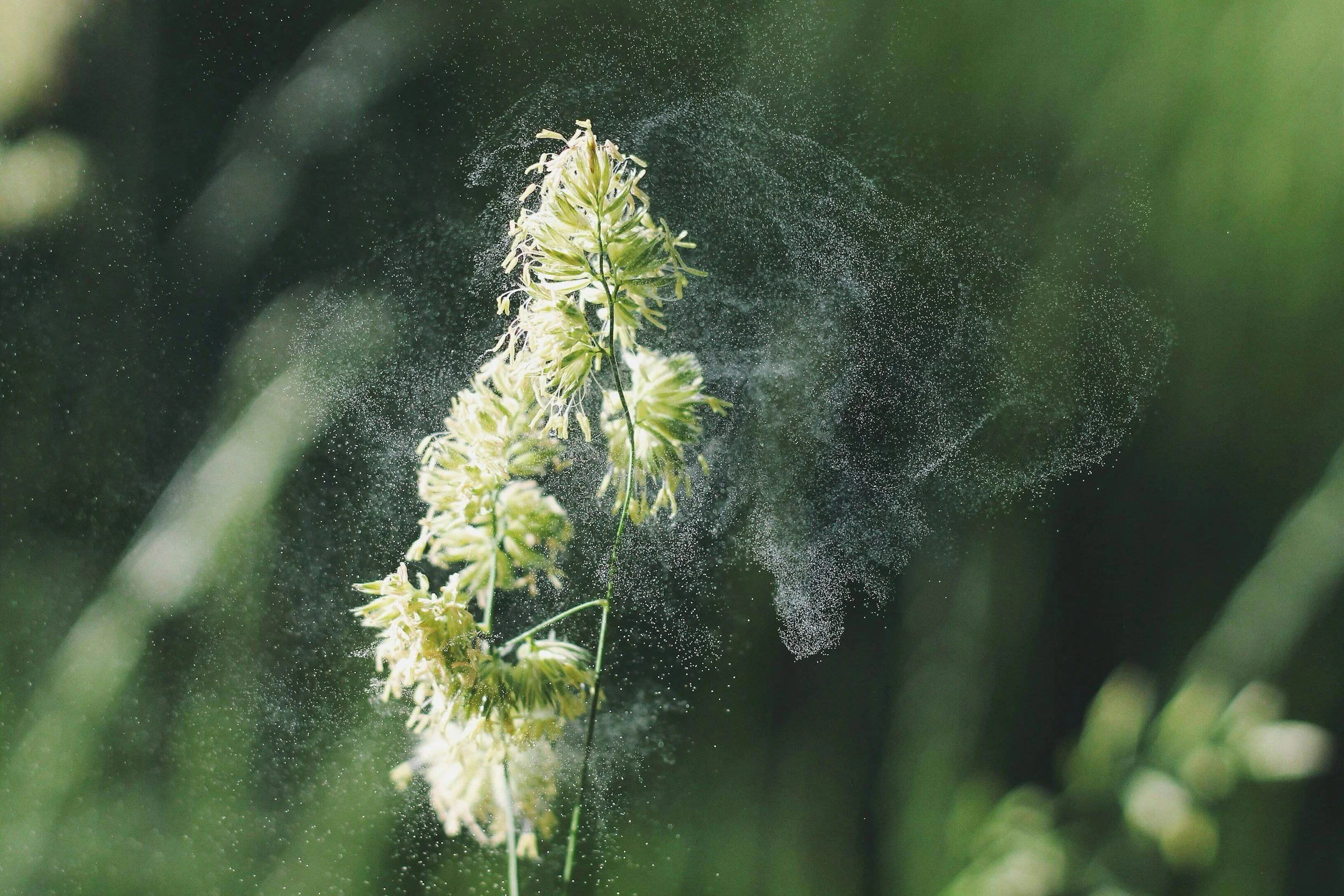
Ayurvedic Nutrition and Lifestyle Leilani Jeraffi 3/21/26 Ayurvedic Nutrition and Lifestyle Leilani Jeraffi 3/21/26 Why Allergies and Colds Are So Common in Spring Read More
Ayurvedic Nutrition and Lifestyle Leilani Jeraffi 3/15/26 Ayurvedic Nutrition and Lifestyle Leilani Jeraffi 3/15/26 Nature’s Spring Medicine: The Bitter & Astringent Tastes Read More
Ayurvedic Nutrition and Lifestyle Leilani Jeraffi 3/12/26 Ayurvedic Nutrition and Lifestyle Leilani Jeraffi 3/12/26 Spring Cleansing in Ayurveda; Why This is the Season of Resetting Read More
Mental health Leilani Jeraffi 3/5/26 Mental health Leilani Jeraffi 3/5/26 The Wisdom of Removal Read More
Leilani Jeraffi 2/27/26 Leilani Jeraffi 2/27/26 Ayurveda’s Approach to Mental Health; A Holistic and Timeless Framework Read More